


Talk to a Moving Specialist-Now


A+
25 Years in Business

Navigating Your Moving Journey
.jpg)
Packing, logistics, and paperwork overload often lead to anxiety and exhaustion.


Finding a trustworthy moving company can be challenging, with worry about damaged items, delays, or hidden fees.

Your Journey With Us: Step-By-Step For A Stress-Free Move

01
02
03
04

Our Moving Philosophy


Embark on Your Hassle-Free Move Today
Essential Insights


Check Our Latest Updates

Category: Local Moving
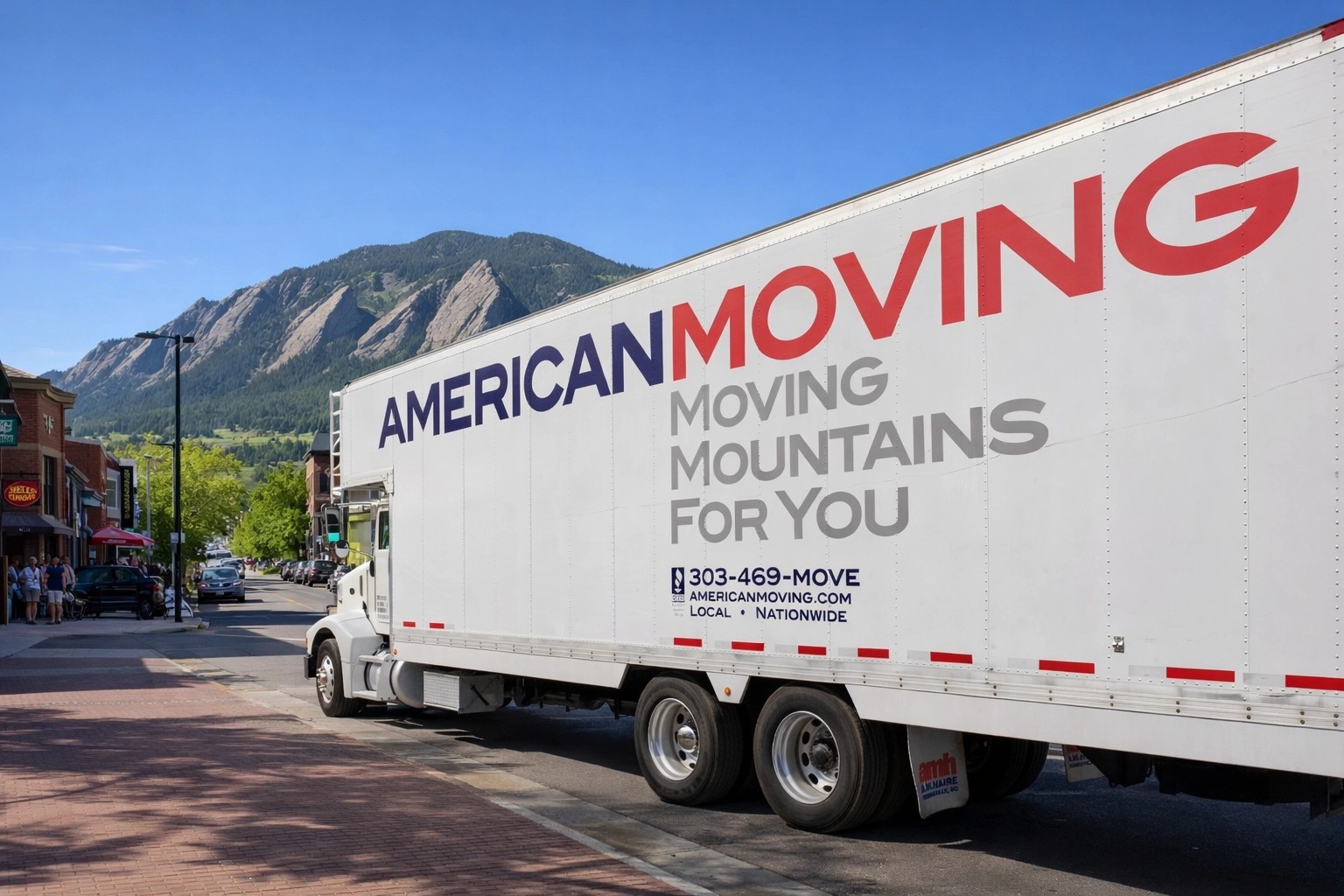
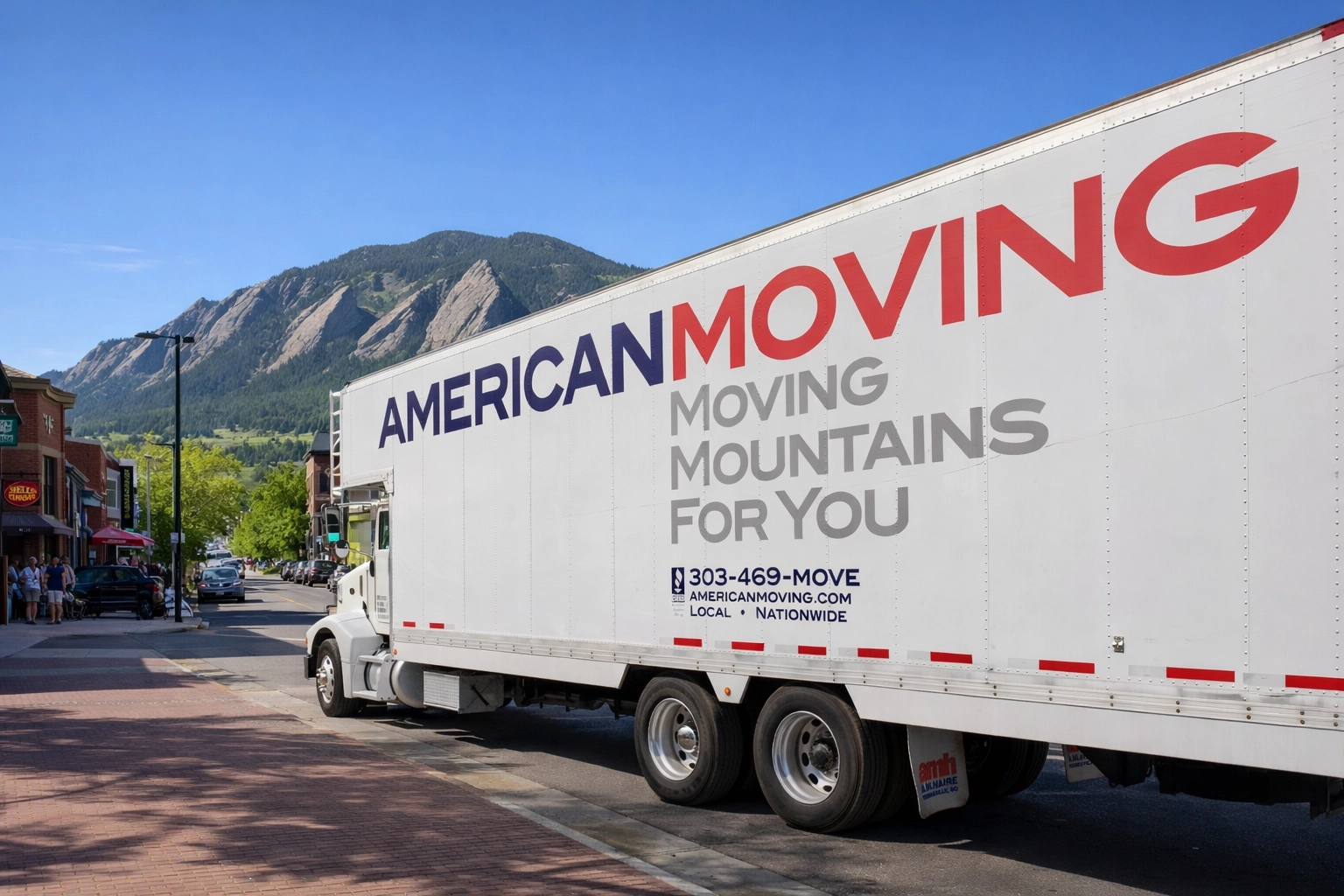
American Moving & Storage brings moving and storage back to Boulder, Broomfield, and the North Metro area, returning to our 1997 home base.
A New Chapter in Boulder
We’ve been cruising up and down US-36 for over two decades, but this move feels especially meaningful. We are thrilled to announce our expanded presence in the heart of the community at 1136 Pearl Street, Suite 200C, Boulder, CO 80304. And the best part? This is a return to where it all started—our roots are in Boulder, where American Moving was founded in 1997, so this expansion feels a lot like coming home.
Being a local movers Boulder team means we aren’t just passing through; we’re part of the fabric of this town. We know that Boulder isn't just another zip code, it’s a lifestyle defined by the mountains and a spirit of adventure. By strengthening our footprint here, we can provide even faster, more responsive service to residential and commercial clients alike.
Our expansion is a direct response to the growing demand for a moving company Boulder residents can actually trust. We’ve seen the "fly-by-night" operations come and go, but we’re here to stay, bringing our signature "white-glove" care and full service relocation support to every street from Mapleton Hill to Table Mesa.
Why Boulder?
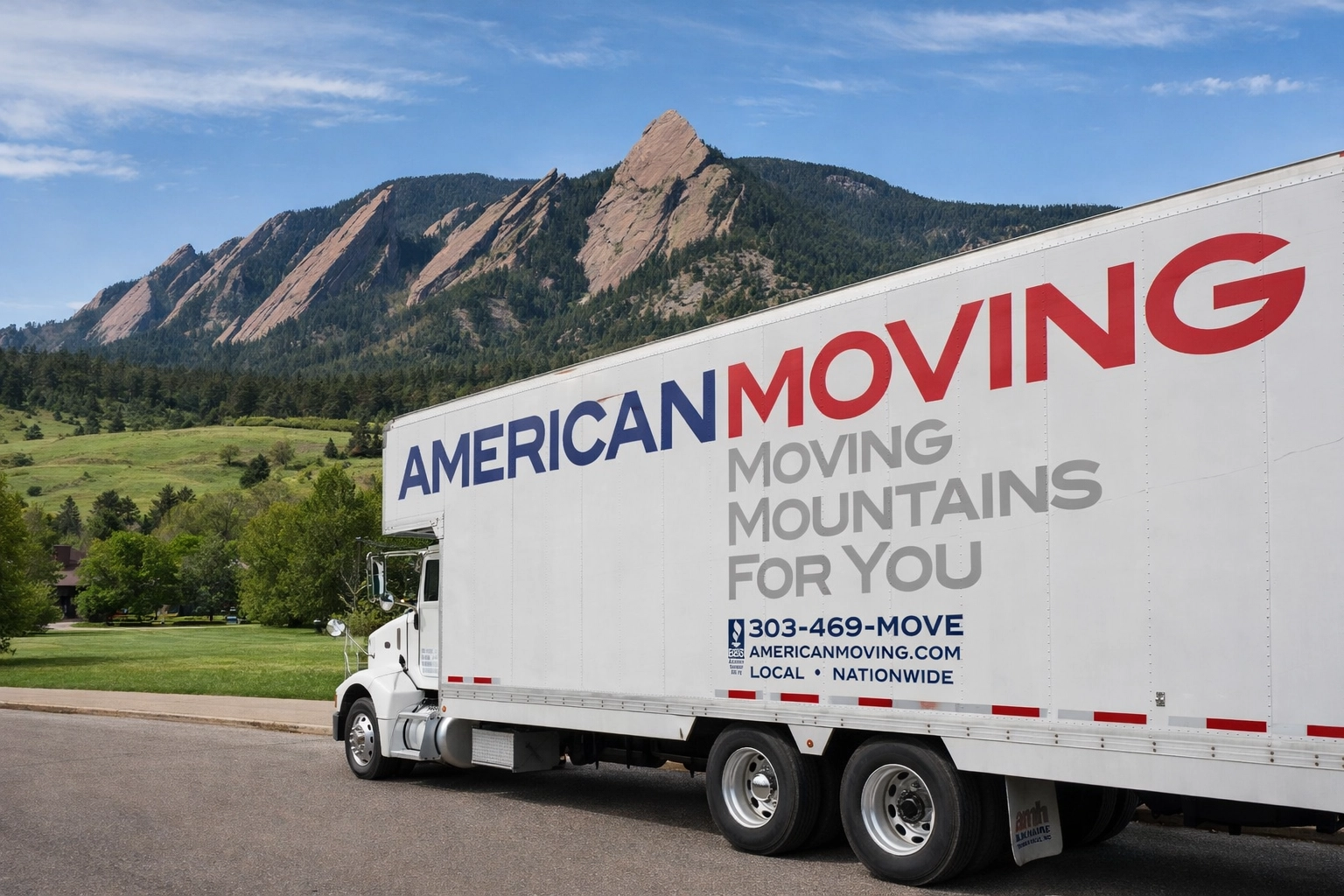
It’s no secret that Boulder is one of the most desirable places to live in the country. Between the iconic silhouette of the Flatirons and the constant hum of innovation, it’s a magnetic place for families and businesses. As a premier moving company Boulder residents rely on, we wanted to be right where the action is.
The North Metro area has seen incredible growth lately, and Boulder remains the crown jewel of the region. Whether you’re moving for a job at a tech startup or retiring to a quieter spot near Chautauqua Park, the transitions here are frequent and exciting. We love the energy of this city and the unique challenges it presents to a moving crew.
Moving here isn't just about changing addresses; it's about joining a community that values sustainability and quality. We align with those values by offering efficient, professional services that take the stress out of your big transition across Colorado. From Broomfield to the heart of the Hill, we’re proud to call this region our Colorado home turf.
The "White-Glove" Boulder Experience
When we talk about "white-glove" service, we aren't just using a fancy marketing term. It means we treat your grandmother’s antique china and your high-end mountain bike with the same level of obsessive care. Our team is trained to handle the logistics of local moving with precision and a smile.
Boulder homes often come with unique architectural quirks, think narrow staircases in historic Victorians or tight driveways in the foothills. Our crews are experts at navigating these obstacles without leaving a scratch on your walls or your furniture. We also offer specialized piano moving for those who need to transport their instruments safely.
Beyond just hauling boxes, we provide comprehensive packing services to save you days of labor. We use high-quality materials and proven techniques to ensure everything arrives in the same condition it left. If you’re looking for a moving company Boulder can count on for a turn-key experience and full service relocation support, you’ve found it.
Moving Near CU Boulder or Pearl Street?
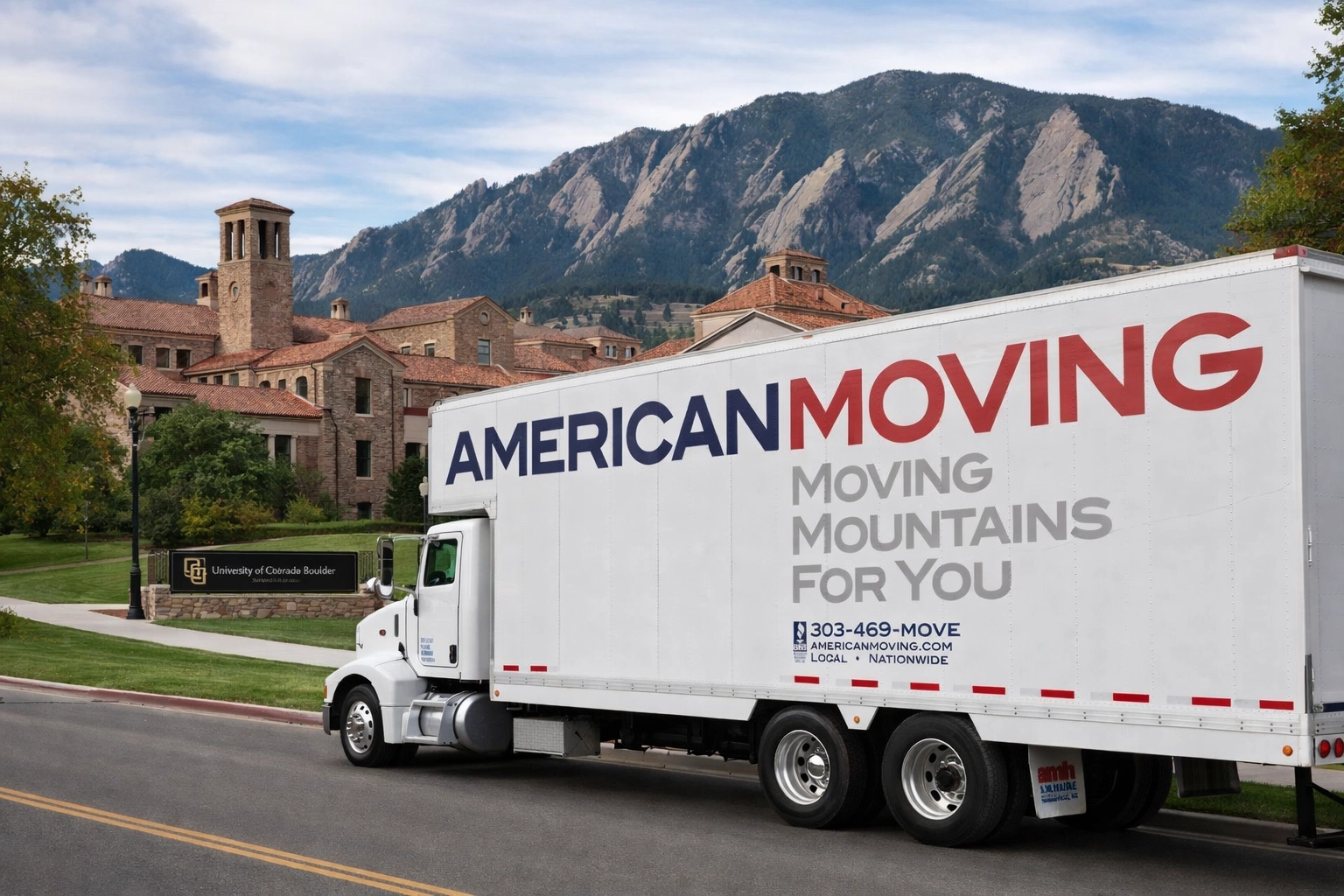
Navigating the area around the University of Colorado Boulder or the busy corridors of Pearl Street requires a specific kind of local knowledge. You have to know the traffic patterns, the parking restrictions, and exactly when the students are heading to class. Fortunately, we’ve been doing this for 25 years.
If you are moving into an apartment near the Hill or a loft near the downtown bricks, logistics are everything. We coordinate with building managers and local authorities to ensure our trucks have the space they need without disrupting the neighborhood. Our experience as local movers Boulder residents trust means we know the "secret" ways to get around the busiest parts of town.
For those moving into the North Metro area for school or work, we offer specialized apartment moving services. We handle the heavy lifting so you can focus on exploring your new neighborhood in Colorado. Whether you’re grabbing a coffee on Pearl Street or hiking the trails, we’ll make sure your home is set up and ready for you.
Decades of Trust, Now Even Closer
Trust is the most important item we carry in our trucks. As a long-standing Bekins agent, American Moving & Storage brings a level of national resources and local expertise that few can match. We’ve maintained an A+ rating with the Better Business Bureau because we believe in transparency and doing the job right the first time.
Our history began in Boulder in 1997 before we expanded into Broomfield and the North Metro area, and those decades of experience have taught us that every move is different. We don’t believe in one-size-fits-all quotes or hidden fees. When you choose us as your moving company Boulder partner, you’re getting a team that values your time and your property as much as you do throughout Colorado.
We’ve helped thousands of families settle into their new homes across Colorado. Our reputation is built on the word-of-mouth recommendations of your neighbors. You can learn more about our history and our commitment to the community on our about us page.
Secure Storage for Your Boulder Transition
Sometimes, your new home isn't quite ready, or you're downsizing and need a place for the overflow. That’s where our state-of-the-art storage solutions come in. We offer a climate-controlled environment that is much safer than your average self-storage unit.
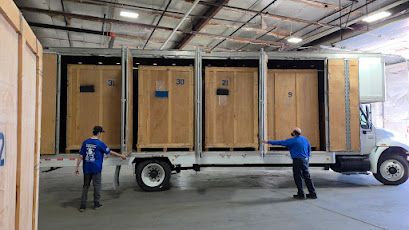
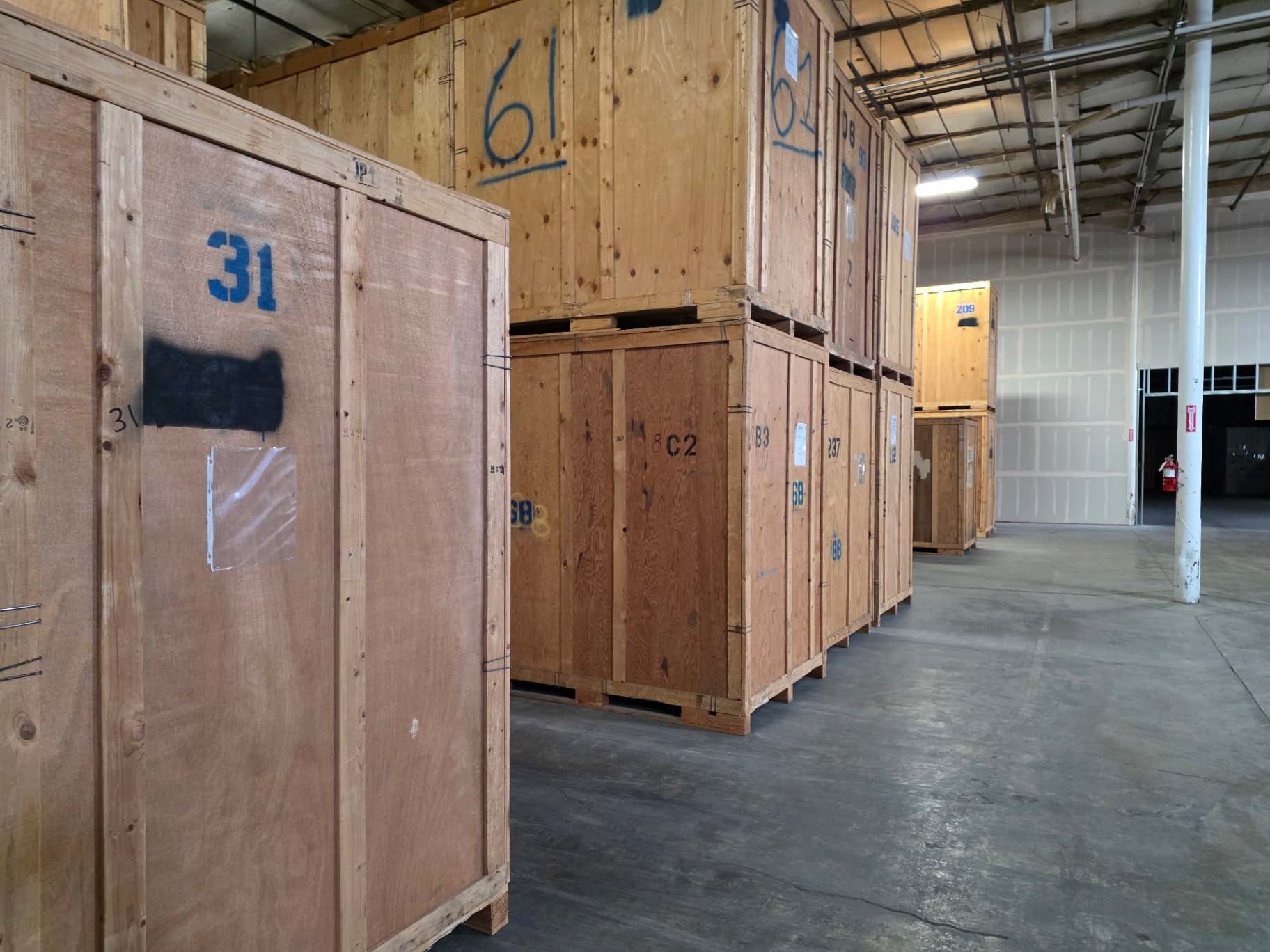
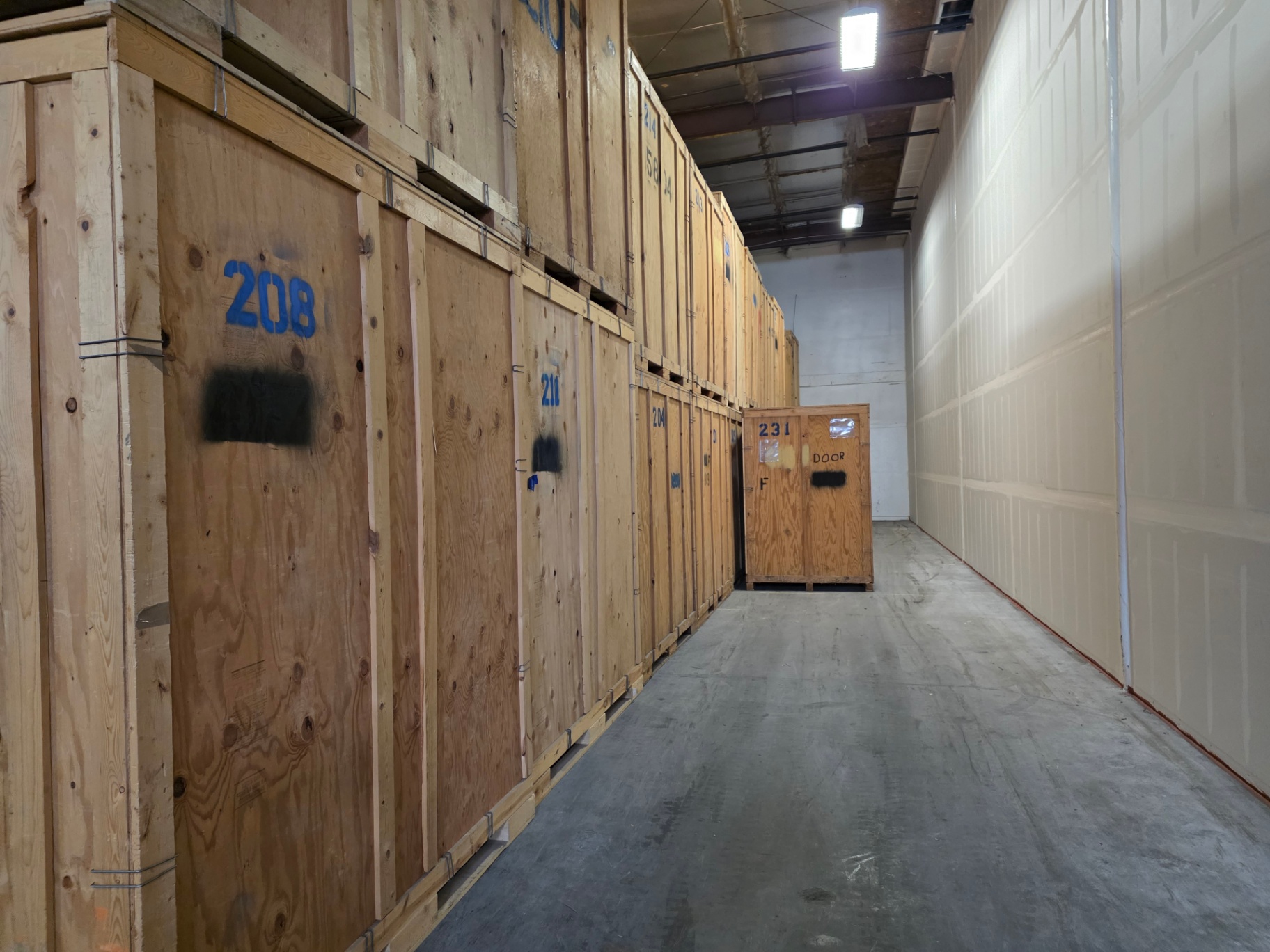
Our warehouse uses a specialized vault system to keep your belongings organized and protected. Each vault is carefully packed and inventoried, ensuring that nothing gets lost or damaged during its stay with us. This is ideal for residents in Boulder, Broomfield, and the North Metro area who need a flexible bridge between locations.
Whether you need storage for a week or a year, we have the capacity to handle it. Our facility is secure, clean, and managed by professionals who understand the value of your assets. It’s just one more way we act as a full-service moving company Boulder residents can rely on for every stage of their journey, including full service relocation needs across Colorado.
Preparing for the Unexpected
Moves rarely go exactly as planned, but that’s why you hire professionals. Whether it’s a sudden spring snowstorm in the North Metro area or a delay in your closing, we are built to be flexible. Our crews are trained to adapt on the fly, ensuring that your move stays on track regardless of what life throws your way.
We recommend checking out our blog for 10 ways to make your move less stressful before your big day. Preparation is the key to a smooth experience, and we provide the resources you need to get organized. From labeling boxes to deciding what to donate, we’ve seen it all and are happy to share our secrets.
For those moving long-distance into or out of the Boulder area, our long-distance moving services provide the same level of care across state lines. We coordinate the entire process, so you don’t have to worry about the logistics of a multi-day haul. Your belongings stay in safe hands from start to finish, with the kind of full service relocation experience Colorado customers appreciate.
Ready for Your Boulder Move?
Expanding our focus to Boulder is more than just a business move, it’s a commitment to being the best local movers Boulder has to offer. We’re excited to help you start your next chapter, whether it’s in a downtown condo or a house in the suburbs of the North Metro area.
Don't settle for a stressful move when you can have the "American Moving" experience. Our team is standing by to provide you with a customized plan that fits your schedule and your budget. Let us handle the heavy lifting while you enjoy the view of the mountains here in Colorado.
If you’re planning a move soon, the best time to start is now. Contact us today to learn how we can make your transition seamless, safe, and maybe even a little bit fun.
Boulder Moving FAQs
Are you licensed to perform moves within the City of Boulder?
Yes! We are fully licensed and insured to operate all over Colorado. We comply with all state and local regulations to ensure your move is protected.
Do you offer storage if my new Boulder home isn't ready?
Absolutely. We have a secure, climate-controlled warehouse in the North Metro area of Colorado where we can store your items in individual wooden vaults until you're ready for delivery.
Can you move specialty items like pianos or art in Boulder?
Yes, we specialize in high-value and specialty items. Our crews are trained in "white-glove" techniques to transport pianos, fine art, and delicate furniture throughout Boulder and Broomfield.
A move gap happens when move-out and move-in dates don’t align. Learn how Denver movers manage storage, timing, and delivery with fewer complications.
What the move gap is
A move gap is the time between when you must leave one place and when your next place is ready. The gap can be a few days or several weeks.
In Denver, this often happens during:
Why the move gap matters
A timing gap changes the work. It adds handling steps, schedule risk, and storage decisions.
It can also increase cost because items may be loaded, stored, and delivered on different days. More handling also increases the chance of damage if the process is not managed well.
If you plan the storage portion early, you reduce last-minute changes and missed delivery windows.
What you should do first
Start with three decisions:
If your dates are not firm, plan for flexibility. That reduces rebooking fees and short-notice labor changes.
Storage options in Denver (what they are, why they matter, what to do)
Traditional self-storage units
What it is: You rent a unit and handle loading, transport, and unloading yourself.
Why it matters: This can be lower cost, but it usually requires multiple trips and more lifting.
What you should do: Use this option only if you have time, help, and a safe loading plan.
Portable storage (trailer or container)
What it is: A container is loaded at your location, then stored and redelivered.
Why it matters: It reduces trips, but you still control packing and loading quality.
What you should do: Confirm driveway access, HOA rules, and placement space before scheduling.
Full-service moving and storage
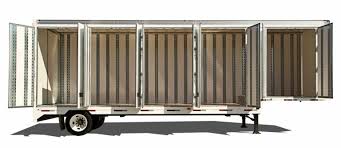
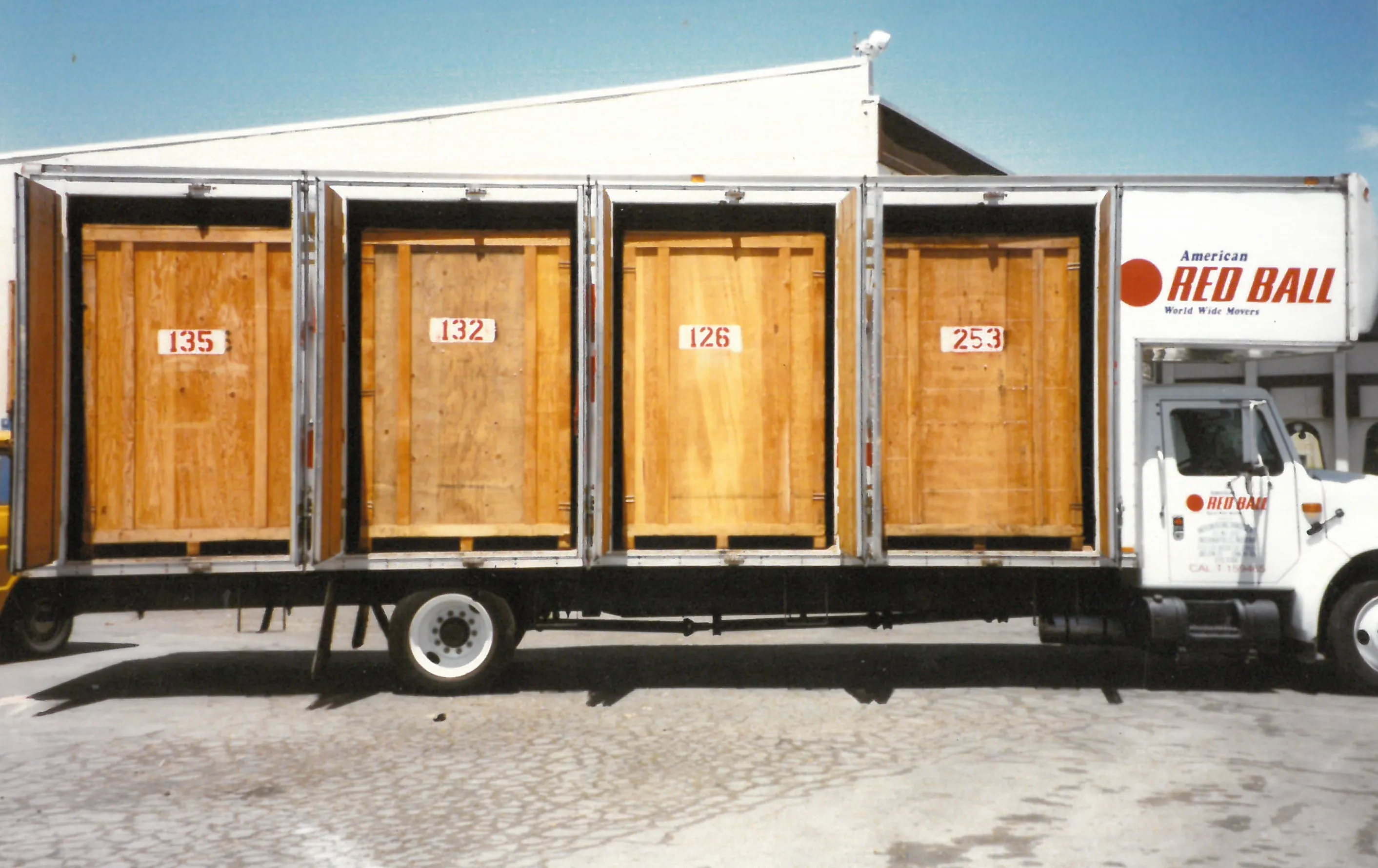
What it is: One team loads, stores, and delivers your items on your schedule.
Why it matters: Fewer transfers usually means fewer handling points and fewer coordination issues.
What you should do: Ask who loads, where items are stored, and how inventory is tracked.
How a full-service moving and storage timeline works
What it is
A standard timeline has four steps:
Why it matters
A single plan reduces scheduling conflicts. It also clarifies responsibility if something changes mid-move.
What you should do
Confirm these items in writing:
Secure warehouse storage (what it is, why it matters, what to do)
What it is
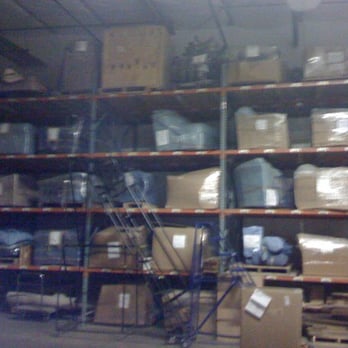
Warehouse storage typically uses organized vaults or shelving inside a secured facility. Items are staged for later delivery.
Why it matters
Colorado temperature swings can affect wood furniture, electronics, and artwork. Facility standards and handling discipline matter more than most people expect.
Secure access control also matters. Storage is still part of your move, not a separate problem to solve later.
What you should do
Ask these questions before you store anything:
What to look for in a Denver moving and storage provider
What it is
You are hiring a logistics provider. That includes labor quality, scheduling, and storage controls.
Why it matters
The wrong provider increases delays and damage risk. It can also make it harder to adjust dates if your closing moves.
What you should do
Use a short checklist:
Next step if you want help planning the gap
If you want help managing the timing gap, American Moving can review your dates and build a practical storage plan. Our focus is reducing complications through clear scheduling, careful handling, and controlled storage.
You can start here: Get a free moving quote.


